Saturday, January 29, 2022

Defining Networks in Terms of Latency

One new way of looking at a network is to define it not only in terms of bandwidth but also latency. And that might be true for edge computing value as well as dense fiber deployments or 5G. 


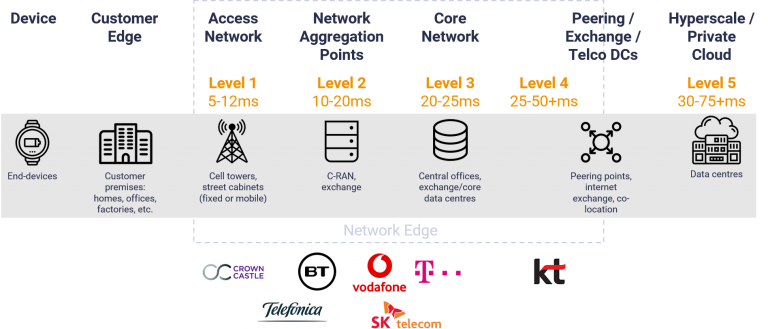
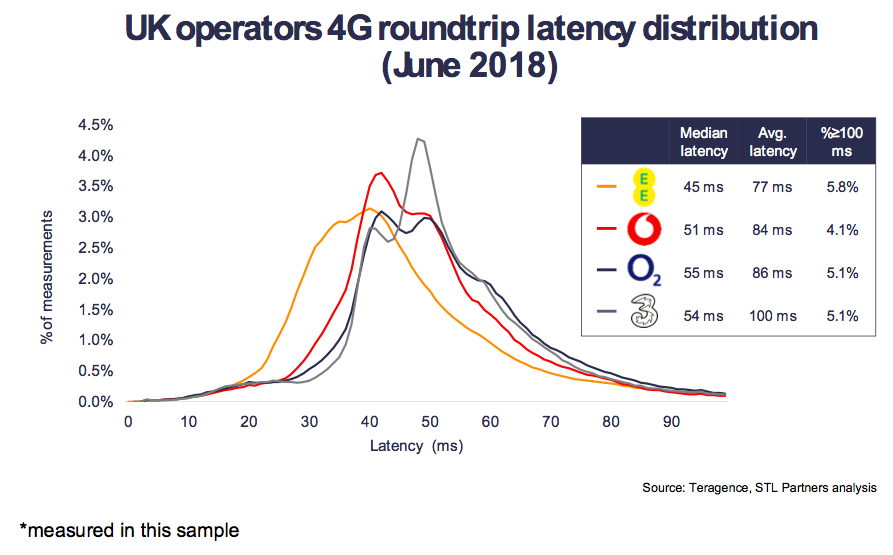
Using 5G, some form of local off-premises edge infrastructure or a dense fiber network, latency might be defined as within five milliseconds to 12 milliseconds for round-trip latency, though 5G air interface latency might be as low as one millisecond, some note. 


source: STL Partners 


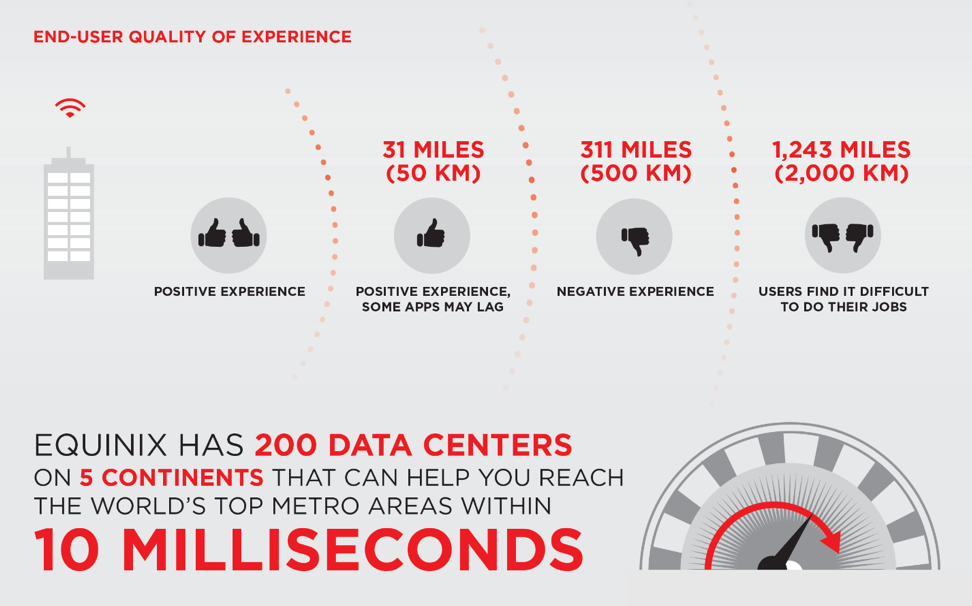
Some say round-trip latency--when using edge computing--means a server or computing facility can be located up to 150 miles distant and still have a round-trip latency of five milliseconds. Round-trip latency of 10 milliseconds involves computing facilities up to 300 miles distance. 


Round-trip latency of 20 milliseconds implies a computing location up to 600 miles away. Round-trip latency of 50 milliseconds can mean communicating with a computing facility or server up to 1,500 miles away. 

source: STL Partners


source: Equinix

Friday, January 21, 2022

Edge Role Bound to Grow

To the extent that application performance is a significant problem for supporting remote workers, and to the extent many enterprise managers expect high levels of remote work in the future, the demand for edge computing to address latency and improve end user performance seems rather self evident.


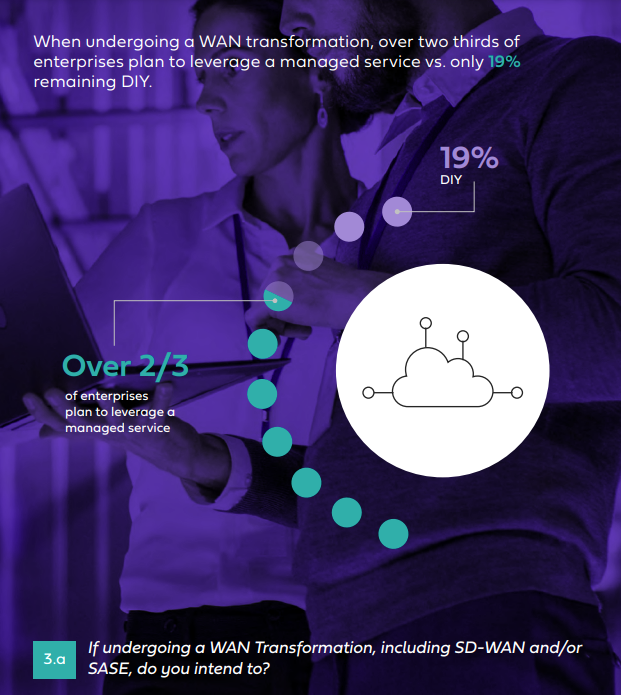
With the caveat that the situation remains volatile, a new survey by Aryaka finds enterprise managers reporting they have closed 25 percent to 50 percent of their sites.


A quarter of respondents expect 51 percent to 75 percent of their employees to remain hybrid post-pandemic, and another 43 percent expected remote work to be the pattern for 25 percent to half of employees.


Should this continue, we should expect to see other changes, especially changes in real estate spending and probably on-site data centers as well, given the secular move to “everything as a service.” About half of respondents said they would be closing in-house data centers as part of wider shifts. 


XaaS highlights the importance of remote application delivery using the internet, which in turn heightens the importance of access and security as though everyone were using internet access and delivery. The “zero trust” shift provides an example of the change. 


source: Aryaka 


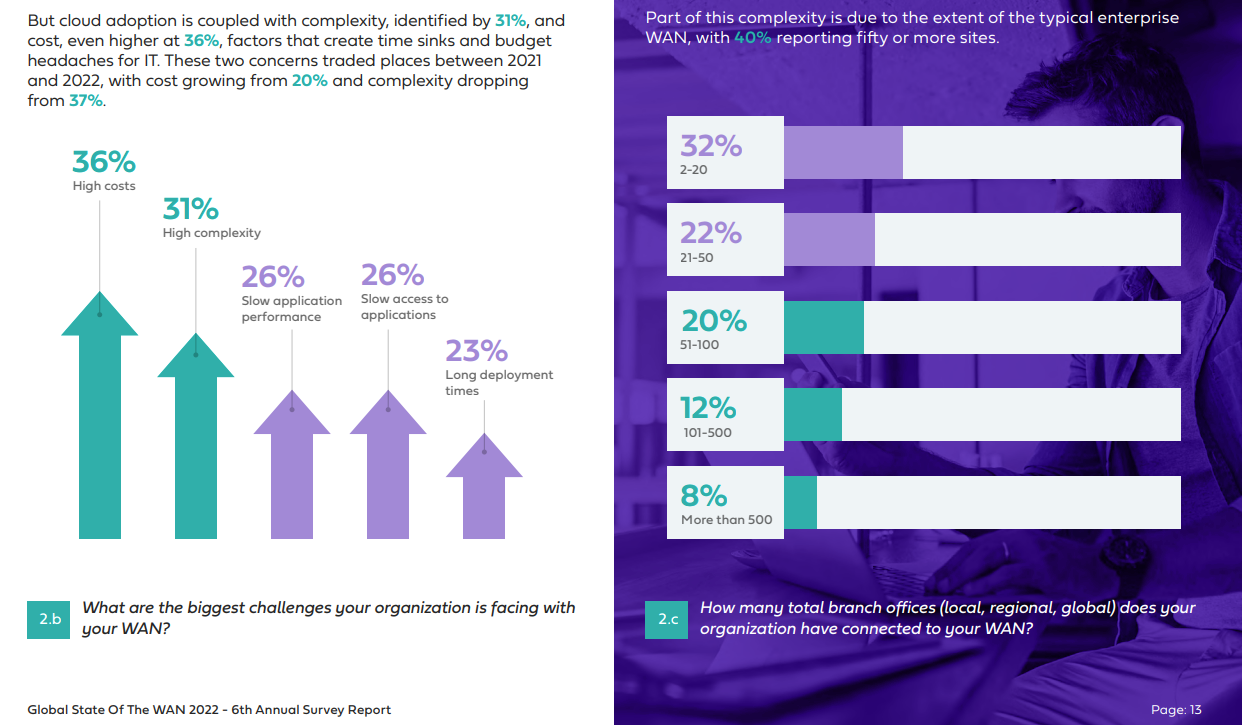
Much of the rise in management complexity also can be explained by the shift to XaaS and high percentages of remote workers to support. Cost and complexity are issues, to be sure. But application performance is a big issue.


source: Aryaka 


And edge computing is among the primary tools for ensuring application performance.

Monday, January 17, 2022

PTC'22 — Executive Interview: Bill Barney, CEO & Founder, Turbidite


Turbidite will start with edge services in places like Cambodia, Philippines, Vietnam, Thailand, Guam. Eventually, hyperscale will follow. 

Monday, January 10, 2022

Is Moore’s Law Going to Become Obsolete?


It matters!

Edge Computing Matters as Cloud Architectures Shift

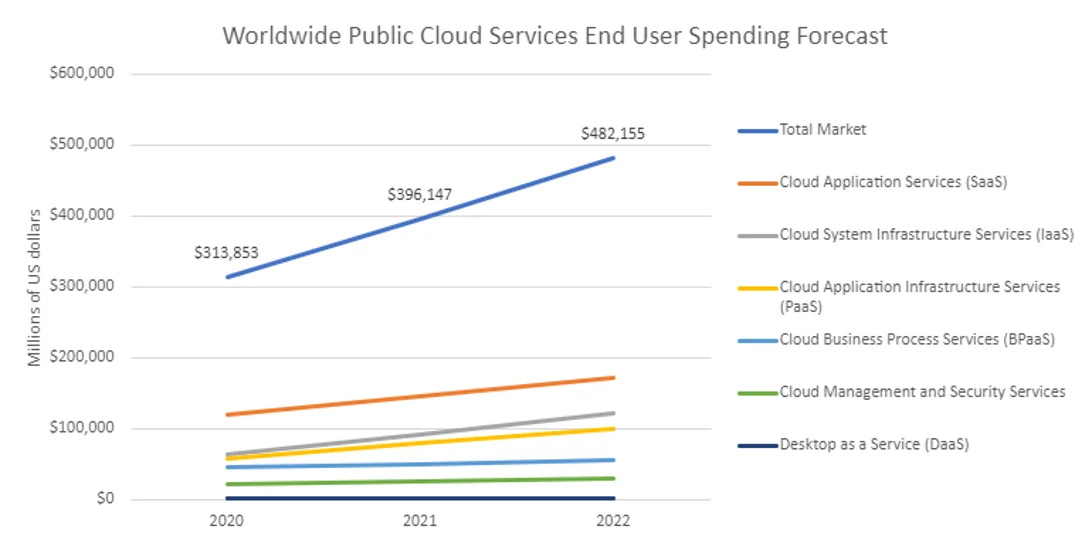
Nobody ever is surprised about cloud spending growth, either public, private or hybrid. Soon we’ll add edge computing to that list, though “edge computing” service revenues will remain a fraction of total cloud computing volume. 


As always, though, edge computing matters because it is a new revenue growth driver of some size, even if it initially represents less sales volume than does cloud computing. Also, if, as expected, edge becomes an integral part of the cloud computing fabric, there are strategic reasons for cloud computing services providers to incorporate edge capabilities. 


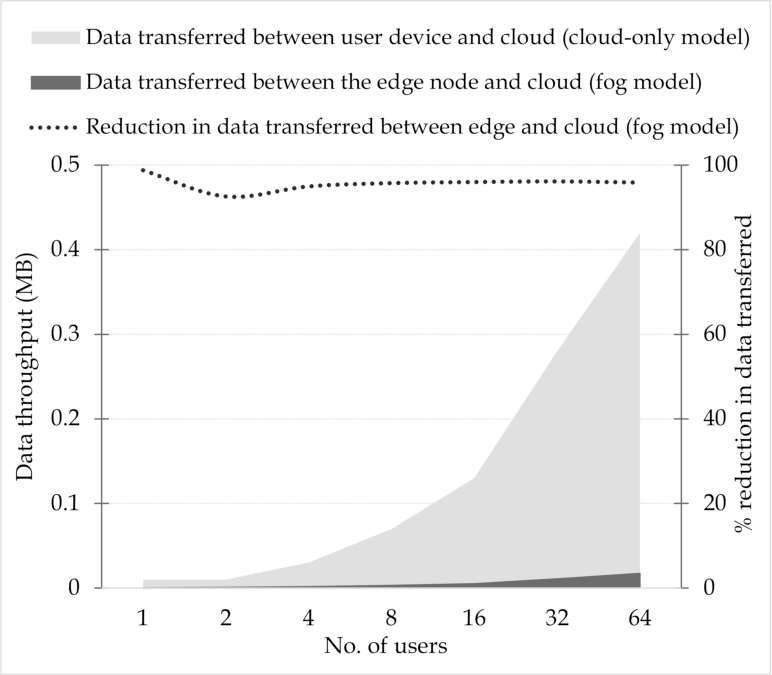
That is almost certainly the case if new use cases based on ultra-low latency and high computing requirements become popular. Even when the goal is ultra-low latency processing, the additional impact is to reduce data network transit. 


source: Researchgate 


That might be a corollary benefit of edge computing: reducing hairpinning. 


Right now, it is difficult to estimate actual retail value from edge computing services, as forecasts combine sales of infrastructure (hardware, software) with the value of edge computing services actually bought by customers, which distorts our understanding of the service provider market. 


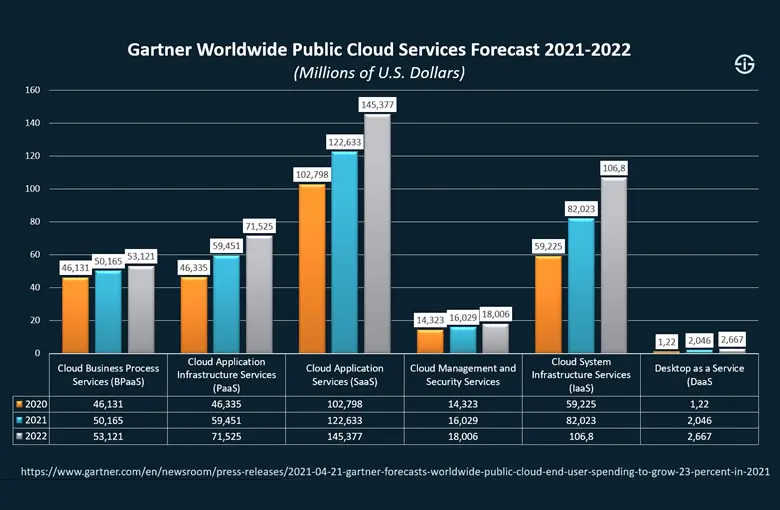
Software as a service and infrastructure as a service generally lead in terms of end user sales volume, for cloud computing as a whole. At least for the moment, it seems that will be the likely pattern for edge computing as well. 


source: Gartner, ZDnet  


source: I-Scoop, Gartner 


Thursday, December 30, 2021

Is Network Slicing a Substitute for Private Networks or Edge Computing?

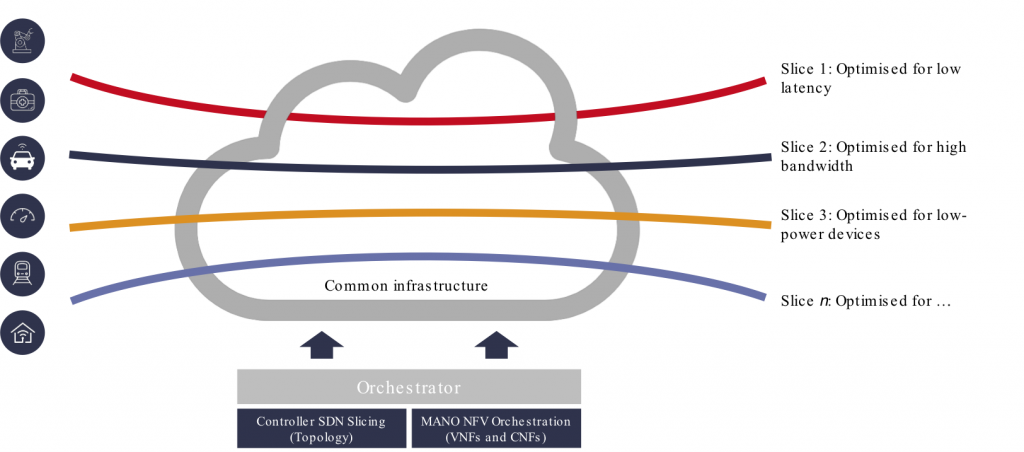
To the extent that network slicing (virtual private networks) is a solution for some latency, bandwidth or availability issues, both private networks and edge computing provide possible substitutes. 


So some might theorize that private networks and edge computing will minimize the market for network slicing or virtual private networks. 


In the end, this likely will shape up to be another “both and” outcome. As we once debated the extent to which Wi-Fi could be a substitute for mobile connectivity, the likely outcome is that we will use virtual private networks, edge computing and private networks, for different use cases.


As often is the case in the communications and computing businesses, there is no one size fits all solution. Wide area private networks can optimize latency, bandwidth,  support for low-power devices and apps or availability and reliability. 


source: STL Partners 


But edge computing can address those same problems. So can private networks. Both network slicing and edge computing are suitable for mass deployment apps. Private networks are better for single-enterprise apps. 


Private networks and edge computing arguably are better for supporting compute-intensive apps that also have very low latency requirements as well. Network slicing arguably is better suited for mass market, high-scale, highly-distributed apps. 


In the end, private networks will not be a complete substitute for network slicing, any more than edge computing will be a universal substitute for network slicing or private networks.


Sunday, December 19, 2021

Will Edge be 10% of Cloud Computing Service Revenue in a Decade?

It often is difficult to estimate the financial impact of multi-access or telco cloud computing for a number of reasons. It is a new way of supporting core network operations; it is a retail service for customers; it can be a telco-owned or partnership business model, of limited or significant revenue upside opportunity; it might be a wholesale or retail model; public or private.


Further complicating matters, multi-access edge computing includes infrastructure as well as computing as a service segments; access services; system integration; private networks; hosting (real estate); platform and application segments that might involve telcos to a greater or lesser degree.  


Further complicating matters is the fact that much edge computing will be part of broader public or private cloud sales, where edge services are a component of the overall computing as a service offer. 


source: T4 


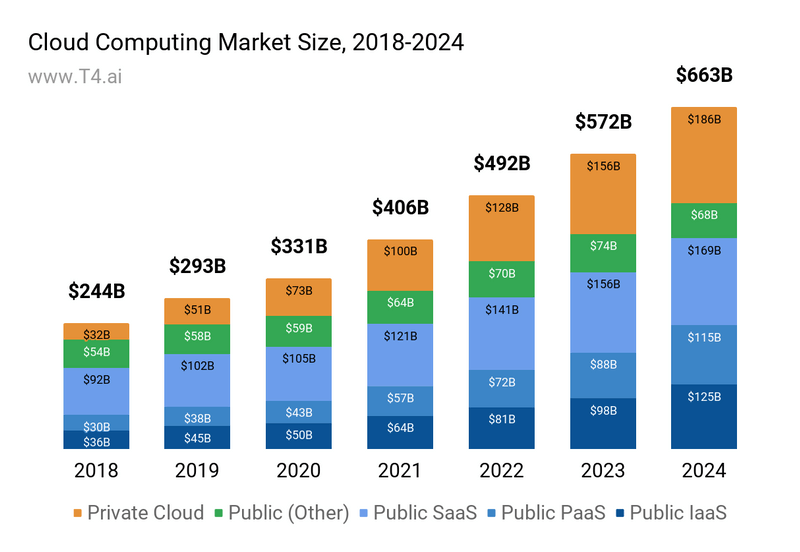
We are early in the development of edge computing, so it would not be surprising if edge represented one percent or less of total cloud computing service revenues, assuming $4 billion in MEC revenue and $406 billion in total cloud computing services. The issue is how that balance changes as MEC matures. 


A reasonable estimate might be that MEC reaches a high of 10 percent of total cloud computing as a service revenues within five to 10 years. That might seem conservative, but many forecasters say MEC revenues are disproportionately earned by infrastructure (hardware, platform and software) suppliers rather than retail “edge computing as a service” suppliers.


Opportunity arguably is larger where there is limited hyperscaler competition; far more limited where hyperscalers are the logical providers of the actual edge computing and cloud computing services. 


The point is that MEC revenue upside for telcos might be far more limited than many believe. By most estimates, most of the revenue will be earned by infrastructure suppliers; system integration suppliers and the hyperscale computing as-a-service giants.

Friday, December 10, 2021

Partnerships and Core Competence

Partnership is a funny word in the computing and connectivity industries. It typically is spun as a source of competitive advantage, and that arguably is true when a firm tries to add features and functionality outside its historic core business that are complementary to its core. 


Partnerships are often said to be advantageous when a firm wants to move out of its core and into an adjacency where it does not already have domain competence. The strategy often is to build volume and domain expertise to the point where a firm can source product features internally, rather than relying on a partner. 


When a firm partners in any area related to its core business, that is probably an indication of weakness, often the result of  financial limitations that prevent a firm from developing its own resources. 


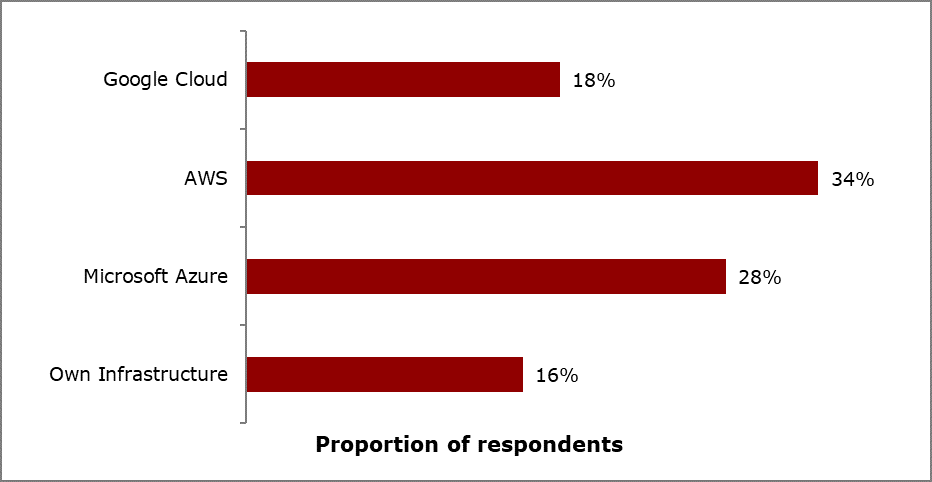
That arguably is the case for cable operators looking at edge computing. A survey of cable operators by Heavy Reading found 16 percent of respondents planned to build at least some of their own infrastructure. But most respondents indicated their present thinking was to partner with one or more hyperscale computing as a service suppliers to create edge computing businesses.  

source: Light Reading 


At this point, as is true for many telcos as well, edge computing as a service is largely viewed as the domain of the hyperscalers, with some exceptions in regions where hyperscaler presence is undeveloped. The reliance on partnerships seems a realistic recognition that the actual computing as a service is outside the connectivity domain, and that hyperscalers have too many advantages to beat. 


Instead, in most cases, edge computing is seen as a product that can leverage connectivity provider real estate and connectivity assets, providing incremental revenue growth. There seems little belief that edge computing offers hope of a new role for connectivity providers as branded suppliers of computing as a service.


Thursday, December 9, 2021

What Roles for Telcos in MEC?

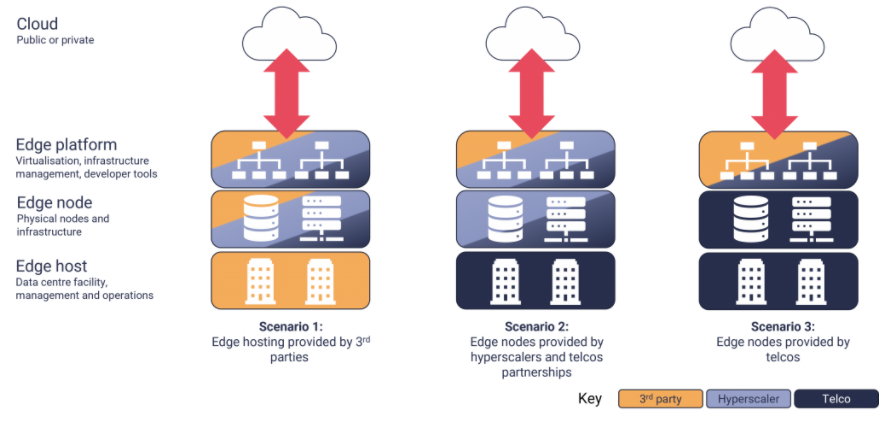
If we agree that edge computing brings cloud services and capabilities including computing, storage and networking physically closer to the end-user, then we also might agree that edge computing value will be generated as computing and cloud services can be executed locally. 


A corollary is likely that the suppliers of brand-name cloud apps and computing as a service will have a big role in edge computing, as buyers will be looking for functionality provided by the name-brand apps. 
source: STL Partners 


Mobile and fixed network connectivity suppliers have viewed edge computing as a way to increase the value of their assets and services. Mobile operators see 5G private and public network access as an opportunity to support ultra-low latency use cases, for example. 


Other participants in the connectivity value chain (tower operators, data centers, system integrators and infrastructure providers) might also see opportunities. 


Local real estate also is an opportunity, in the form of space, cooling, security and power for edge servers. Such real estate can be provided at a cell tower, street cabinet, network aggregation point, a central office or internet exchange point, for example. 


source: STL Partners


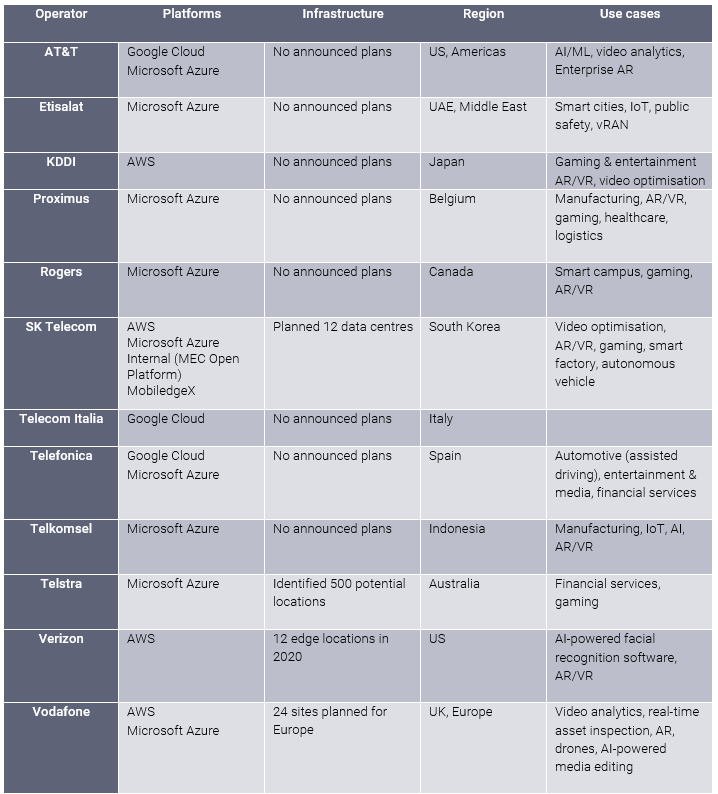
More complicated are moves to supply the actual computing as a service function. In fact, recent moves by leading U.S. mobile operators to use hyperscalers as the suppliers of the cloud computing to support the 5G network cores illustrates the advantages of not creating a custom computing function, even to support the internal operations of the 5G virtualized network. 
source: STL Partners 


Most telcos are looking at the brand-name hyperscalers to supply the computing platform, for example. That is not to say all telcos will do so. 


It is possible, in some regions, that connectivity providers will have greater opportunities to create general purpose edge computing infrastructures that have brand-name computing as a service suppliers present as tenants, much as hyperscalers are tenants at third party data centers. 


On the other hand, hyperscalers also will aim to supply on-the-premises edge computing facilities for enterprises, thus avoiding the need for much “in the metro area” real estate. 


It is too early to predict precisely which business models will flourish, as far as telco edge computing involvement.
Tuesday, December 7, 2021

Back to the Future?

Most would consider edge computing a move back to decentralized computing. Where mainframes centralized computing operations, personal computing moved it to the desktop. Cloud computing moved much computing back to a centralized model. Most agree edge computing is a shift back to more-local computing. 


But not everybody agrees that edge computing is a return to decentralized computing. 


source: Researchgate


Cloudflare, for example, considers edge computing an instance of “centralized applications running close to users.” That makes sense from the perspective of a content delivery network. Looked at from the standpoint of “where computing happens,” the term “edge computing” explains the concept. 

source: Accenture


Still, most would agree that edge computing puts computing operations closer to edge devices and users, even if the web remains a form of decentralized computing that is supported by centralized, remote servers. 


A half decade ago it might have been controversial to talk about the end of cloud computing. These days, even if the growth is seen at the edge, we seem to be heading towards a hybrid model where computing happens wherever it makes most sense. 


For applications requiring extreme low latency, real-time processing of large quantities of data or autonomous operation, local processing will make sense. Many other applications still are most efficient using the remote computing (cloud) model. 


As we refer to increasingly virtualized and heterogeneous networks, where resources are used where they make most sense, we might say computing is moving to a more-complex model as well.


Thursday, December 2, 2021

Edge Computing in 2025: Will Telcos Get 10 Percent of That?

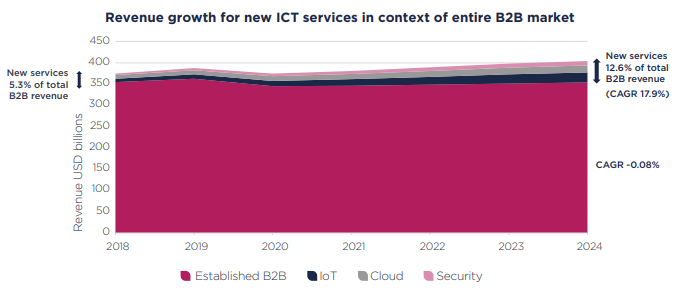
Security services, IoT and edge computing combined will amount to about $50 billion in annual service provider revenues by 2024, according to the IN Forum.  If cumulative growth rate for those services is 17.9 percent, then 2026 revenue might be about $70 billion globally. 

source: IN Forum 


To be sure, much-larger “total market” forecasts are possible if one adds to service revenue the contributions of hardware, software and other infrastructure, application licenses, system integration revenues and private enterprise investments and operations spending on edge computing, IoT, security. 


Looking only at edge computing, and all revenue segments, as much as $250 billion in annual revenue might be possible in 2025. It is possible service provider revenues from edge computing in that year might amount only to $20 billion.

Monday, November 29, 2021

MEC Opportunities for Mobile Operators Might Vary from Region to Region

Multi-access Edge Computing, as envisioned by mobile operators, has been viewed as a way to leverage 5G to create a revenue-creating role in edge computing. To say it is complicated is to acknowledge the truth. Connectivity providers can supply the access and often real estate. 


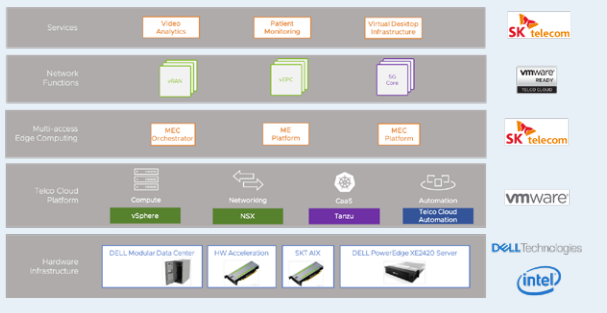
More complicated is the creation of a role in the actual computing as a service function. SK Telecom, for example, is creating its own branded MEC service, including the actual compute cycles and analytics; operations; vertical applications plus connectivity. 

source: RCR 


To do so it builds on Intel and Dell servers, VMware for compute cycles and computing-as-a-service management. SK contributes the connectivity, real estate and some vertical market solutions as well. 


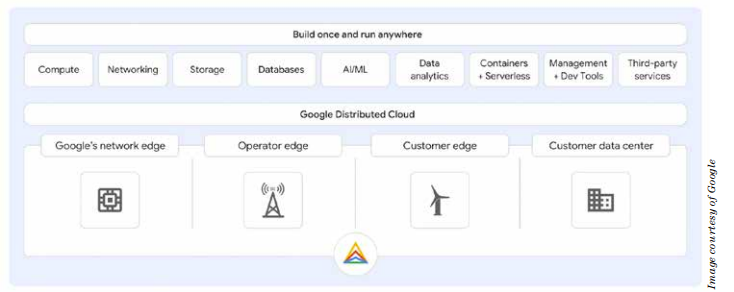
Another model involves mobile operators supplying connectivity and real estate, with a hyperscale computing-as-a-service supplier providing the actual compute cycles. 

source: RCR 


Some mobile operators are likely to try the former approach; others will choose the latter. Much could depend on the maturity of hyperscale cloud computing in different regions. Where cloud computing services are immature, there arguably are greater opportunities for a telco-developed role in providing edge computing. 


In markets where hyperscale cloud computing is well developed, there arguably are fewer opportunities for a mobile operator created edge computing services business.


"I'm 64, I Don't Know What the Cloud Is"